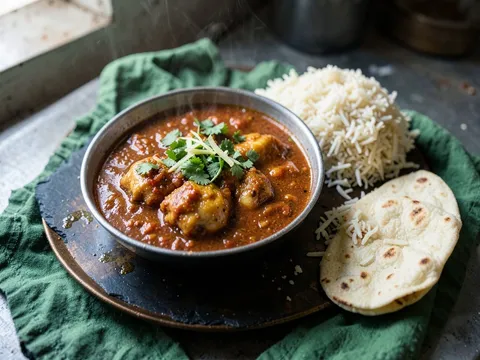
 1 hr 15 minGluten-free
Punjabi Chicken Curry (Dhaba Style)
1 hr 15 min · Medium
By Nomisto Kitchen · Updated
IN SHORT
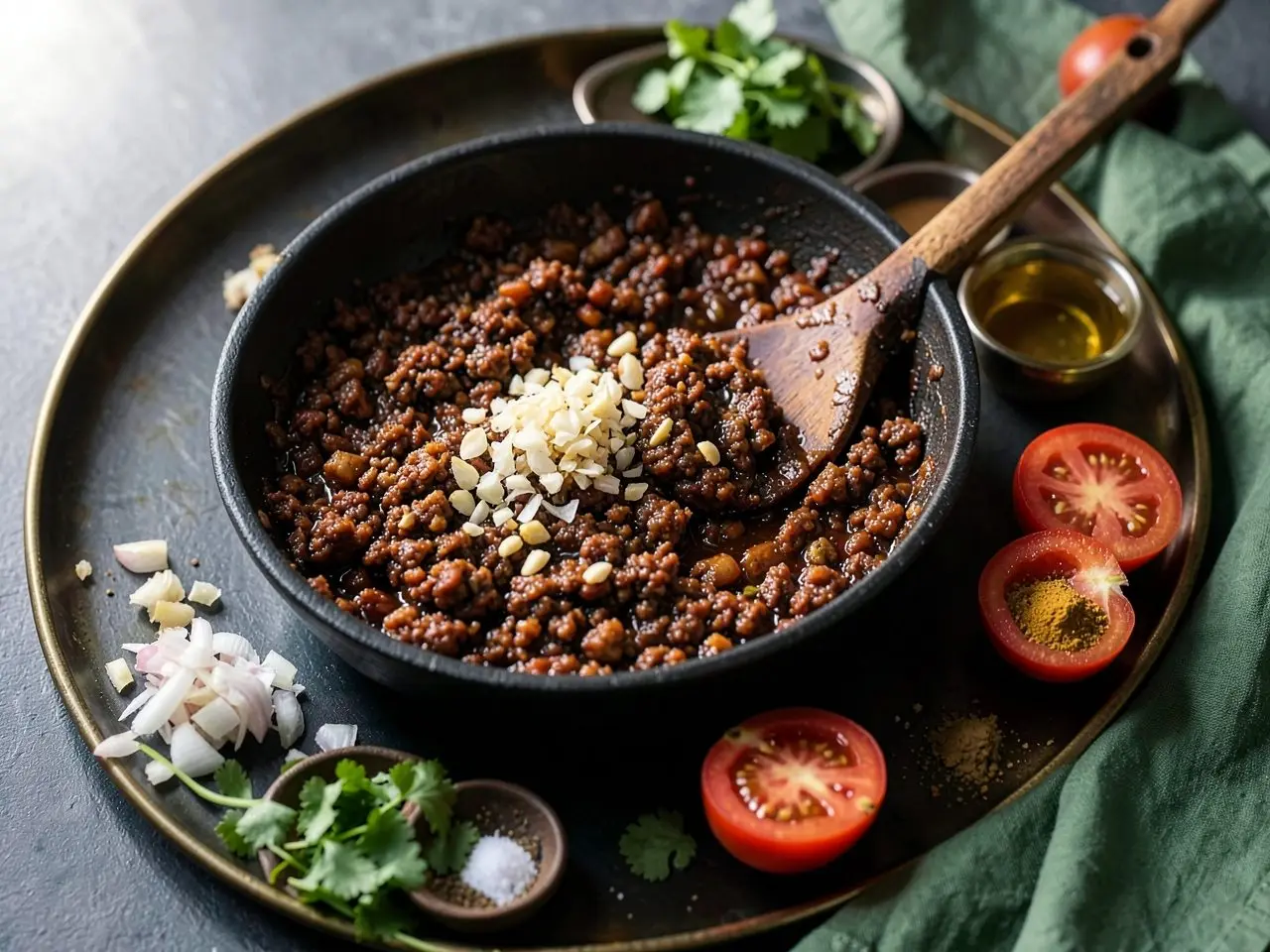
Bhuna masala is the cooked-down onion, ginger-garlic and tomato base behind most North Indian curries. Brown sliced onions for 12 to 15 minutes, cook the paste for a minute, add ground spices with a splash of water, then the tomatoes, and stir until the oil separates at the edges. Freeze it in portions for up to 3 months.
Bhuna comes from a verb meaning to roast or fry while stirring. In a curry it describes cooking a masala slowly until its water has evaporated and the fat has separated, so the spices are cooked in oil rather than boiled in water. A dish can also be called a “bhuna” in its own right, such as chicken bhuna, when the sauce is reduced right down to cling to the meat. Here we use the word for the base itself: the sauce foundation that you build before you add meat, paneer or vegetables.
The point is flavour and texture. Raw tomato is sharp, raw ground spices taste dusty, and raw onion tastes harsh. Cooking all three together in fat, patiently, turns them sweet, savoury and rounded. That is why a well-made curry tastes deeper than the sum of its ingredients, and why a rushed one tastes “raw”.
Quantities below are for one curry serving four with 750 g of meat, as in the Punjabi chicken curry:
| Ingredient | Amount | What it does |
|---|---|---|
| Ghee or neutral oil | 40 g (3 tbsp) | Carries flavour and cooks the spices |
| Cumin seeds | 2 g (1 tsp) | First flavour layer, bloomed in fat |
| Onions, thinly sliced | 450 g (3 large) | Sweetness and body |
| Ginger-garlic paste | 22 g (1.5 tbsp) | Pungency and aroma |
| Ground spices (Kashmiri chilli, coriander, turmeric) | About 10 g in total | Colour, earthiness, mild heat |
| Fresh tomatoes blended smooth, or passata | 300 g | Acidity, moisture, body |
| Salt | A pinch with the onions, the rest later | Draws water from the onions and seasons |
Thin, even onion slices cook evenly. Thick or uneven pieces catch at the edges while the middle stays raw.
This is the longest stage and the one most worth being patient with. Use a wide, heavy-based pot or kadai over medium heat. Heat the fat, add the cumin seeds and let them sizzle and darken slightly, about 20 seconds, then add the onions with a pinch of salt. Stir every minute or two.
| Stage | Time (approx.) | What you see | Use for |
|---|---|---|---|
| Translucent | 3 to 5 minutes | Soft, glassy, no colour | Light dishes, bhurji, upma |
| Pale gold | 8 to 10 minutes | Edges turning golden, soft throughout | Quicker curries such as the lamb curry |
| Deep golden | 12 to 15 minutes | Rich golden-brown, sweet smell | Dhaba-style curries |
| Dark brown | 20 minutes or more | Dark, bitter edges | Too far for most dishes |
The pinch of salt draws the moisture out of the onions, which helps them soften before they colour. If they brown faster at the edges than in the middle, reduce the heat and add a tablespoon of water. If they catch on the pot, add a splash of water and scrape the base: those browned bits dissolve into the sauce.
Deep golden is the target for a dhaba-style curry. It is a colour and a smell (sweet, toasty), not a fixed number, so check by eye. A different onion, a different pot or a hotter hob all change the timing. Small amounts of finely chopped onion, as in bhurji, reach each stage in about half the time.
After the onions have reached the colour you want, and not before. Fresh ginger and garlic scorch quickly, and burnt garlic turns bitter. Add the paste, cook for about 1 minute, stirring, until the raw smell disappears and it begins to stick to the pot. If it sticks hard, add a splash of water.
If you use freshly chopped ginger and garlic instead of paste, add them at the same stage, and stir constantly, as chopped garlic catches faster than paste.
Ground spices are powdery, so they burn in seconds. Do three things:
You are not toasting them to brown; you are cooking out the raw taste. Their colour deepens slightly and the smell turns warm. Kashmiri chilli powder colours the dish a deep red with mild heat, and turmeric adds earthiness. Coriander powder thickens the sauce slightly. For more on each spice, see the Indian spices guide.
Garam masala is not part of this stage. It goes in at the end of the final curry, because its aroma fades with long cooking.
Pour in the blended tomatoes or passata (not concentrated tomato purée or paste) and raise the heat to medium. Stir often, and scrape the base. The mixture will first look loose and wet, then thicken, then darken and begin to fry. This takes about 8 to 10 minutes for blended fresh tomatoes.
The cue you want is oil separation: oil seeps out and pools around the edges of the masala, and the base clumps together into a thick paste that moves as a mass when you stir. Other signs that it is ready:
If you stop before this point, the curry will taste sour and flat. If you go much beyond it, the masala starts to stick and darken, so add a splash of water and move to the next step.
For a single curry, add your protein, turn it in the base to coat, then add hot water and simmer. The chicken in the Punjabi chicken curry cooks for 25 minutes in 250 ml of hot water. Finish with garam masala and crushed kasuri methi, then taste for salt.
For a batch, skip the protein and go to the freezer, as below.
A batch saves time on a weeknight. This recipe makes enough for roughly three curries of four servings each. The yield is approximate, because it depends on how much water the onions and tomatoes lose.
| Ingredient | Amount |
|---|---|
| Ghee or neutral oil | 120 g |
| Cumin seeds | 6 g |
| Onions, thinly sliced | 1.35 kg |
| Ginger-garlic paste | 67 g |
| Kashmiri chilli powder | 15 g |
| Ground coriander | 12 g |
| Ground turmeric | 4 g |
| Fresh tomatoes blended smooth, or passata | 900 g |
| Salt | 9 g |
When you use a portion, warm it in a pan, add the meat or vegetables, and simmer in hot water until cooked through. Chicken should reach at least 74°C (165°F) at the thickest part.
| Problem | Likely cause | Fix |
|---|---|---|
| Curry tastes raw, sharp or sour | Tomatoes not cooked until the oil separated | Simmer uncovered 10 more minutes; a pinch of sugar can soften acidity |
| Bitter taste | Onions or garlic burnt, or ground spices scorched | Start again if heavily burnt; otherwise add a little yoghurt or coconut milk to balance |
| Pale, dull colour | Onions undercooked, or too little Kashmiri chilli | Cook the base longer; add Kashmiri chilli next time |
| Masala sticks to the pot | Heat too high or too little fat | Lower the heat, add a splash of water and scrape |
| Oil floats on top of the finished curry | Normal for a well-cooked masala | Skim with a spoon if you prefer, or stir back in |
| Gravy too thin | Too much water added | Simmer uncovered for 5 to 10 minutes; no thickener needed |
| Gravy too thick | Over-reduced | Stir in hot water, a splash at a time |
The technique scales up and down, and the same four stages appear in several recipes with different weights:
Make the Punjabi chicken curry once, paying attention to the cues above. Then read the spices guide for the order in which spices go into the pot, and the pantry guide for what to keep on the shelf.
1 hr 15 minGluten-free1 hr 15 min · Medium
 7 hr 45 minHigh-protein
7 hr 45 min · Easy
 22 minGluten-free
22 min · Easy
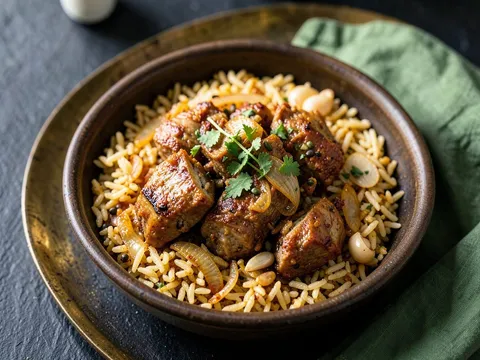 2 hrHigh-protein
2 hr · Medium
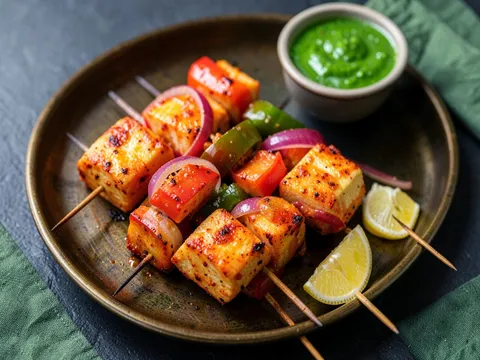 1 hr 5 minVegetarian
1 hr 5 min · Easy
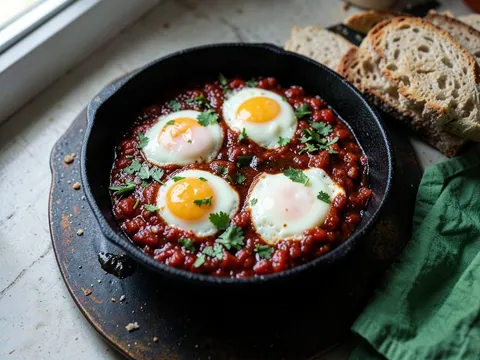 45 minGluten-free
45 min · Easy
The oil separates and pools at the edges, the colour deepens to brick red and the raw tomato smell is gone. The mixture should hold together when you drag a spoon through it, rather than looking wet and loose.
The base was not cooked long enough, so the tomato acid and the ground spices are still raw. Keep cooking and stirring until oil visibly separates at the edges. If the curry is already finished, simmer it uncovered for 10 more minutes.
You can, but it will taste different. Onions give sweetness and body. For a no-onion version, cook the tomatoes for longer and add a spoonful of stir in a spoonful of ground cashew (contains tree nuts), or yoghurt off the heat, for body.
Yes. Cool it within 2 hours, portion it into airtight containers or freezer bags, and freeze for up to 3 months for the best flavour. Thaw overnight in the fridge and reheat until steaming hot.
The base made from the ingredient table above (one portion of the batch) serves 4 with 750 g meat or 500 g paneer or vegetables. Add 200 to 250 ml of hot water for the gravy and adjust the thickness by simmering.
Either works. Ripe fresh tomatoes give a brighter flavour; canned or passata is more consistent out of season. Canned is wetter, so allow a few extra minutes of cooking, and check the salt.